

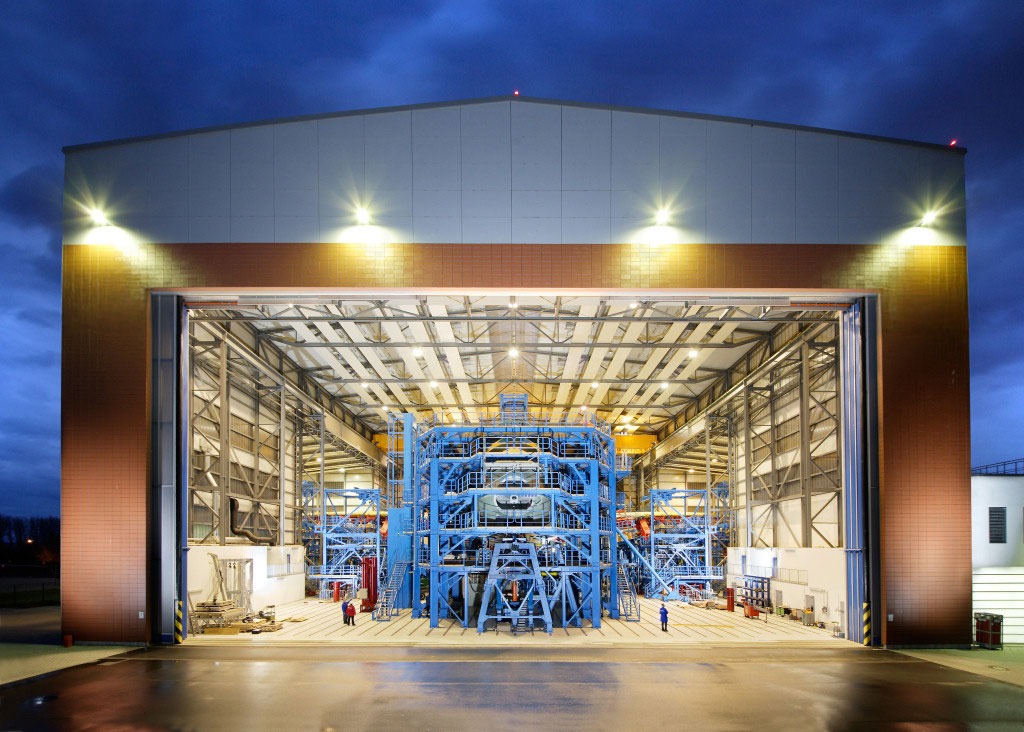
 Aircraft Structural Testing Aircraft certification programs generate massive volumes of data over years of testing. The value of structural testing is not only about applying loads, but about precise, synchronized, and stable measurement of structural responses under static loads, ultimate loads, and long-duration fatigue cycles that simulate real operating conditions across the aircraft lifetime.
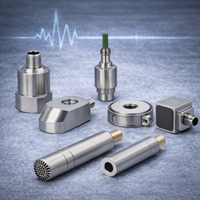
Strain gauge inputs support ¼, ½, and full bridge configurations with DC or Carrier Frequency (CF) excitation to reduce noise and detect microstrain in critical structural areas. Fully isolated channels (channel-to-channel, channel-to-ground) ensure stability during high-load and long-duration fatigue tests. The system supports multi-standard time synchronization such as PTPv2 (IEEE1588), IRIG-B, GNSS, and EtherCAT, enabling integration with servo-hydraulic load control systems, environmental systems (temperature, humidity), and third-party equipment such as DIC. Rugged sensors and DAQ hardware allow full-scale testing of fuselage, wings, rotor assemblies, and subsystems on dedicated test stands over multi-year life-cycle simulations.