

In this article, you will learn about signal processing in sufficient detail to:
What is Torque?
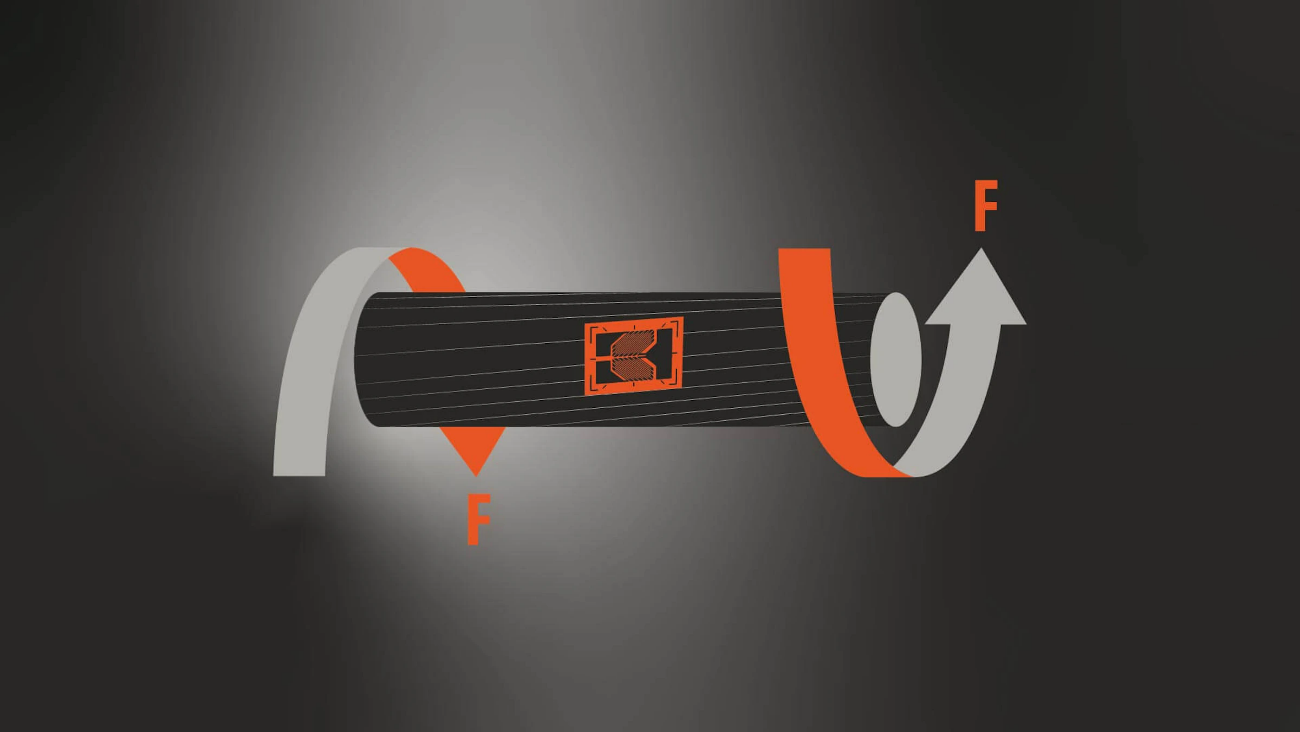
If you remember from physics class, force is the input that changes the motion of an object over time. For example, a simple linear force can push (or pull) a mass at rest, changing its velocity by accelerating it over time. Torque is the force that causes an object to rotate around an axis. Therefore, torque is a “twisting force,” also known as rotational force. A clear example of torque is the driveshaft in your vehicle. The amount of torque that the engine can generate in that shaft determines the vehicle’s ability to perform work. Torque is a vector, meaning it acts in a specific direction. Torque is the twisting force used to rotate or turn a driveshaft, screw, bolt, or wheel.

Illustration of twisting force
Why Do We Need to Measure Torque?
Measuring the mechanical torque of a rotating shaft is essential when designing, testing, and troubleshooting all types of machinery. Knowing the actual mechanical torque of a shaft, propeller, or other rotating component is the only way to verify that it meets its specifications. In some applications, it is critical to continuously monitor torque levels to prevent potentially dangerous over-torque conditions that may lead to system damage or failure. Torque measurement is also a key part of predictive maintenance.
What Are the Main Types of Torque?
There are two main types of torque: rotating torque and reaction torque. Rotating torque is also known as dynamic torque, while reaction torque is also called static torque.
Rotating torque (dynamic torque) applies to objects such as shafts, turbines, and wheels that rotate multiple times (or continuously) around an axis.
Reaction torque (static torque) refers to the static force applied to an object. For example, when you place a wrench on a bolt and attempt to tighten it, you are applying reaction torque. Even if the bolt rotates only slightly or not at all, reaction torque still exists. In this case, torque is measured within a limited angular displacement.
How Is Torque Measured?
Torque can be measured indirectly or directly. If you know the motor efficiency and shaft speed, you can use a power meter to estimate torque. This is an indirect method. A more accurate approach is direct torque measurement using either a reaction torque sensor or a rotating torque sensor.
Reaction (Static) Torque Sensors
.png)
Torque Wrench
Reaction torque sensors measure static or non-rotating torque. A typical example is a torque wrench. This tool ensures that the correct torque is applied to bolts, nuts, or other fasteners. The wrench can be adjusted to the desired torque level, and when the operator applies force, an audible click indicates that the preset torque has been reached.
Digital torque wrenches include an analog gauge or digital display to show the applied torque. Some electronic versions, particularly those used in manufacturing environments, include memory functions to record each tightening operation for documentation and quality control purposes.
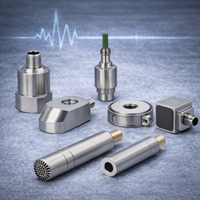
Reaction torque sensors typically use quartz piezoelectric sensors or strain gauge technology to measure torque. There are many variations of torque wrenches and torque screwdrivers available.
Rotating (Dynamic) Torque Sensors
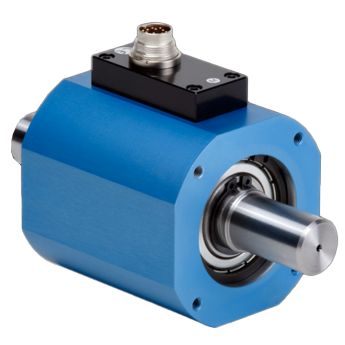
Rotating torque sensors are transducers that convert rotational torque into an electrical output that can be measured, displayed, analyzed, and stored. They are used for engine torque testing, internal combustion engine testing, electric motor testing, driveshaft analysis, turbine testing, generator testing, and more.
Indirect torque measurement methods may be less expensive and easier to implement on existing shafts, but they are generally less accurate than direct measurement methods.
Direct torque measurement methods are more accurate and usually involve strain gauges mounted directly on the shaft to measure the twisting force.
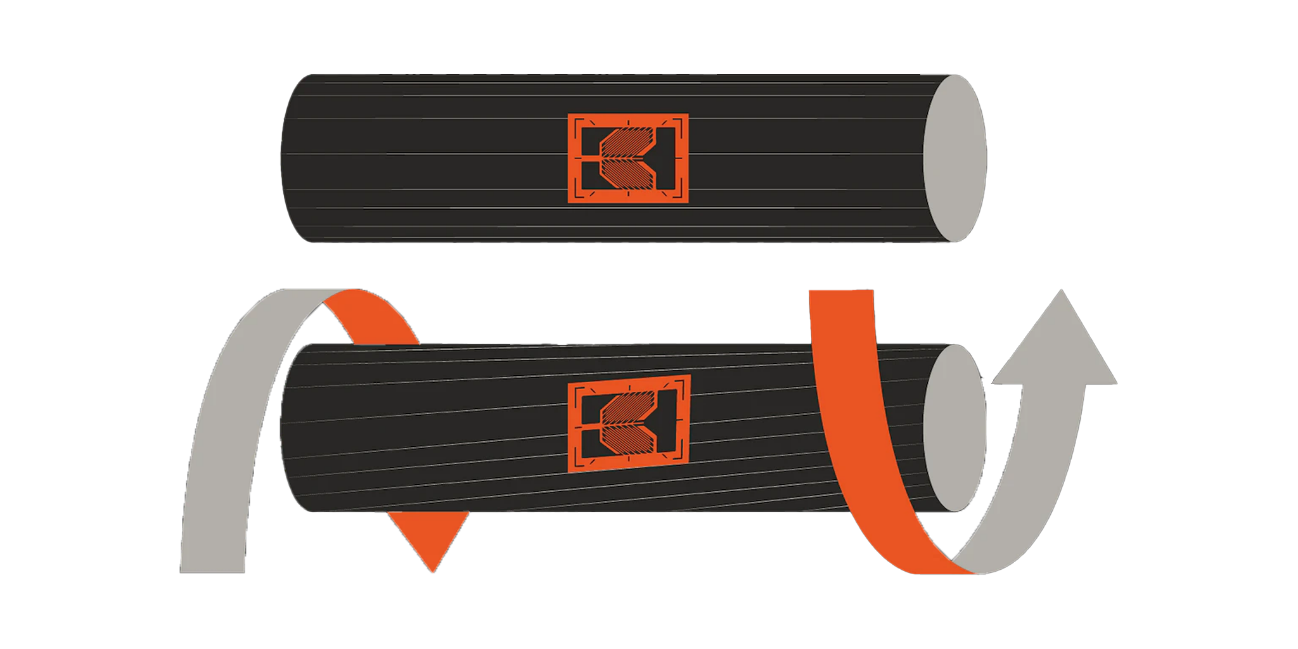
When the shaft is driven by a motor, it twists slightly. Due to the stiffness of steel, this torsion is not visible to the naked eye but can be detected using strain gauges bonded to the shaft.
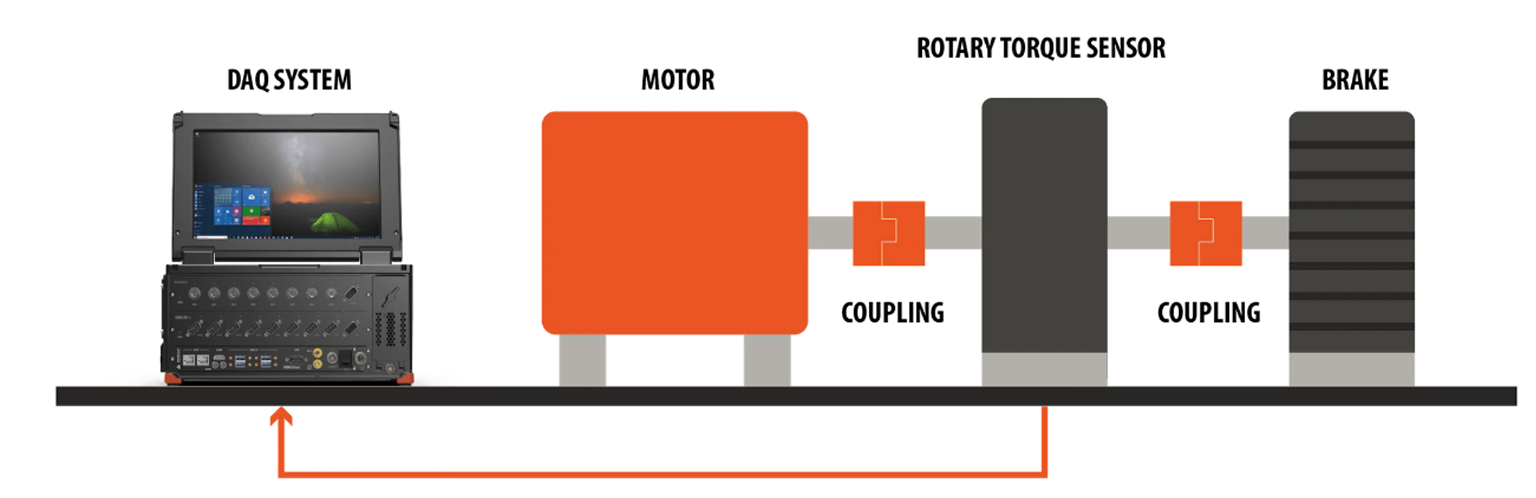
A Typical Rotating Torque Measurement System
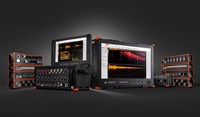
DAQ systems from DEWESoft are ideal for measuring all physical parameters, including torque. They provide dedicated signal conditioning to ensure low-noise, high-accuracy data acquisition. High-speed counter/RPM/encoder inputs are available for simultaneous measurement of speed, angle, and shaft position.
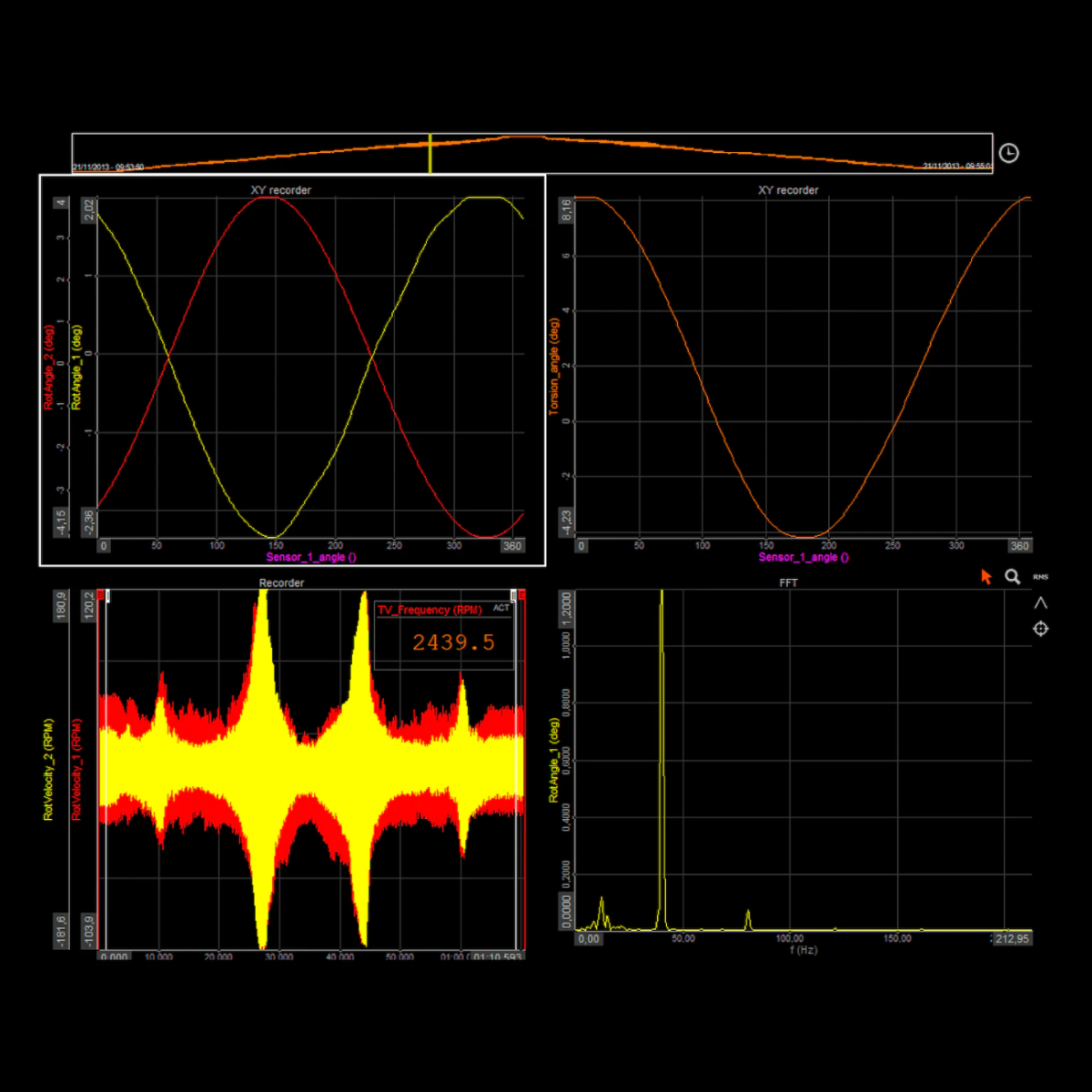
Torsional vibration and rotational test output in DEWESoftX
Permanent Installation Torque Measurement System
In the system shown above, a rotating torque sensor is installed between the motor and the brake, using couplings on each side. The shaft passing through the sensor is equipped with strain gauges to measure torsional force.
Temporary Installation Torque Measurement System
For non-permanent torque measurements, strain gauges can be mounted directly onto the driveshaft. A small battery-powered interface supplies power to the sensors and wirelessly transmits data to a nearby processing unit.
Order Analysis Applications
Torsional vibration is a common cause of damage in rotating shafts. Rotational and torsional vibration analysis is an essential diagnostic tool for troubleshooting shafts, crankshafts, and gears in automotive, industrial, and power generation applications.
The DewesoftX torsional vibration solution automatically calculates several parameters:
Summary
Torque sensors are used in hundreds of applications across nearly every industry. Torque is a critical measurement in many fields and applications. Fortunately, various sensors and transducers are available to measure torque, along with DAQ systems to display, record, and analyze the data accurately and efficiently.