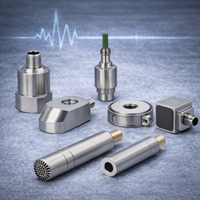


Modern vehicle testing no longer depends on a single data source. A real test can combine accelerometers, strain gauges, force sensors, pressure sensors, temperature, microphones, CAN bus, GPS, IMU/INS, video, and control data from the vehicle.
When these data streams are recorded separately, it becomes difficult to identify the real cause of an engineering event. An abnormal vibration may be connected to vehicle speed, engine state, drivetrain torque, road surface, braking, steering angle, or a short mechanical event that appears only for a moment.
Dewesoft Vehicle DAQ brings these data streams into one synchronized measurement workflow. Sensor signals, CAN data, GPS, video, and motion data are recorded on the same time axis, making analysis clearer, more consistent, and easier to connect with the real test context.
What is Vehicle DAQ?
Vehicle DAQ is a system for collecting, synchronizing, visualizing, and analyzing data during vehicle testing. It does not only record analog sensor signals. It also combines vehicle network data such as CAN, CAN FD, J1939, OBD II, FlexRay, GPS/GNSS position data, IMU/INS motion data, video, and electrical, mechanical, thermal, vibration, or acoustic measurements.
The key point is time synchronization. During acceleration, braking, lane changes, rough-road events, or abnormal noise, engineers need the complete context: vehicle location, speed, CAN signal changes, vibration response, and synchronized video.
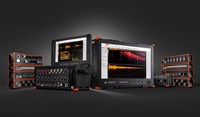
Dewesoft DAQ is a complete measurement platform for these tasks. It connects multiple sensor types, records CAN/GPS/video data, synchronizes multiple signal sources, and enables analysis in DewesoftX. A Vehicle DAQ system with Dewesoft therefore becomes an engineering analysis system for R&D, validation, troubleshooting, and product evaluation.
Common challenges in vehicle testing
In vehicle testing, the challenge is not only the number of channels. The larger issue is the data architecture: what to measure, where to place sensors, which CAN signals to acquire, how to synchronize GPS and video, what sample rate to use, how the data is displayed, and how engineers will analyze the results.
Typical challenges include:
A better approach starts from the measurement objective and the required data architecture. The DAQ configuration, amplifier type, sensors, vehicle network interfaces, installation layout, wiring diagram, and DewesoftX workflow are then selected to match the test objective.
Complete Vehicle DAQ system architecture
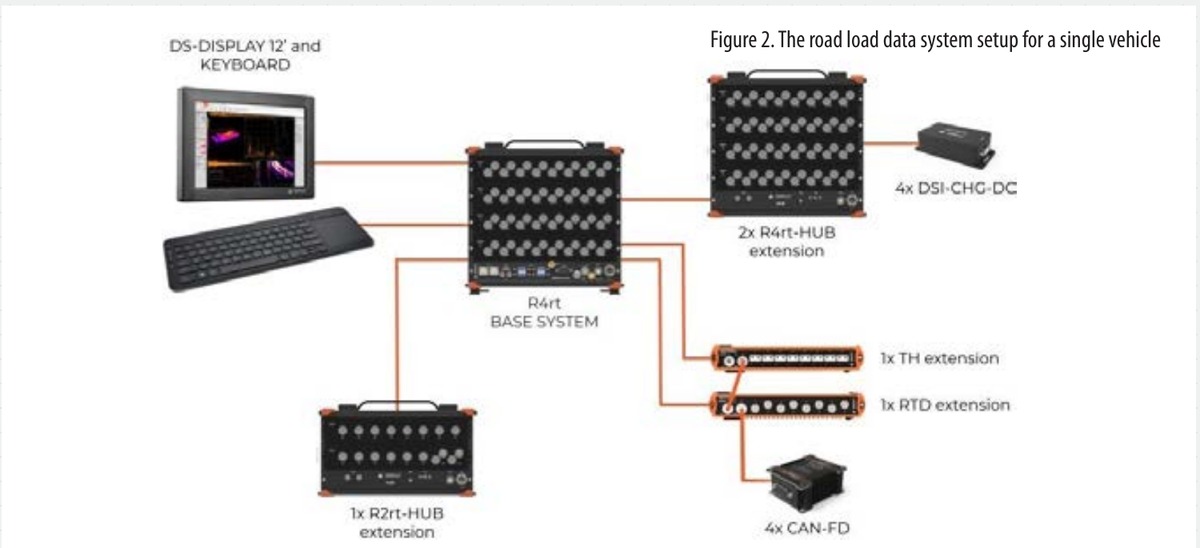
A Vehicle DAQ system normally includes several device and data layers. With Dewesoft, these layers can be configured for the actual test requirement, from road testing and test tracks to R&D laboratories and test benches.
Main layers include:
When these layers are synchronized, engineers can analyze an event from multiple perspectives. A vibration event can be reviewed together with vehicle speed, RPM, GPS position, CAN signals, video, and sensor data from the suspension or drivetrain.
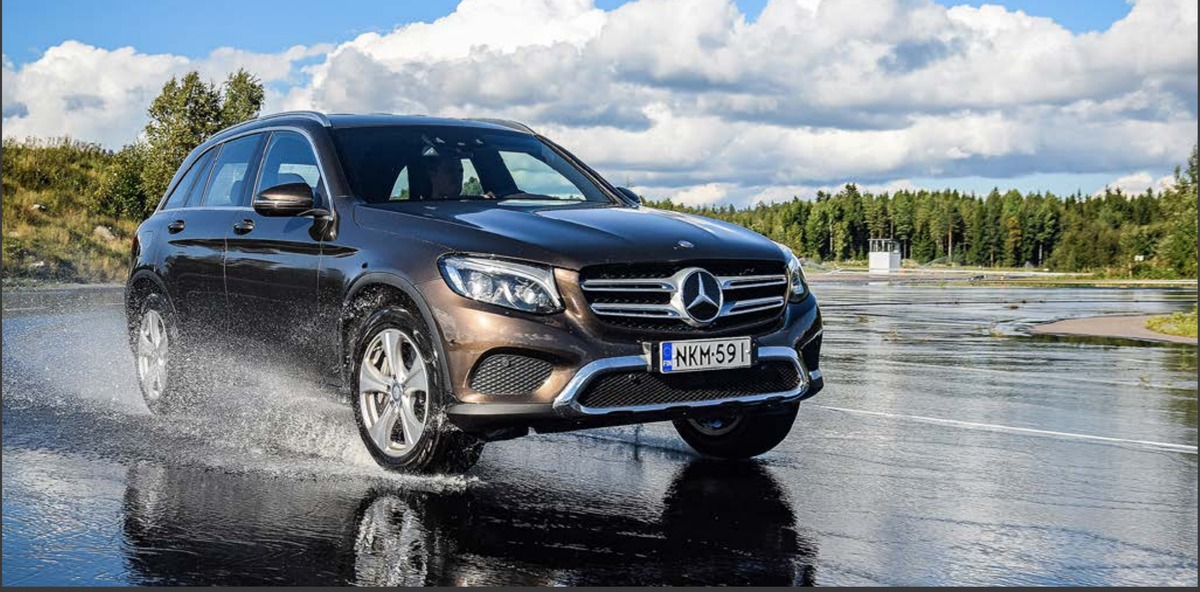
SIRIUS is suitable for dynamic measurements, high accuracy, and multiple input types. KRYPTON and SIRIUS Waterproof support field measurements where vibration, dust, water, temperature variation, cable routing, and installation space are critical. Dewesoft synchronizes CAN, CAN FD, GPS, IMU/INS, video, and analog data in one workflow, allowing engineers to analyze vehicle behavior with full context.
DewesoftX connects setup, recording, visualization, calculation, analysis, and reporting in one environment. Engineers do not need to split data into separate sets for each signal type, reducing setup time and improving data consistency.
Vehicle DAQ with Dewesoft can be used for R&D, product validation, vehicle dynamics, NVH, road load, durability, EV and hybrid testing, ADAS testing, brake testing, and test bench applications.
In Vietnam, an effective Vehicle DAQ system is configured around the test objective, vehicle condition, sensor count, data protocols, synchronization requirement, operating environment, and analysis workflow. When configured around the real test objective, the collected data becomes more complete and more valuable for engineering analysis.