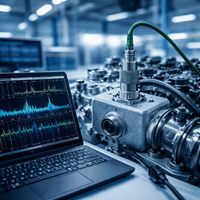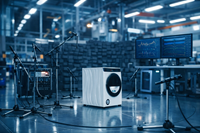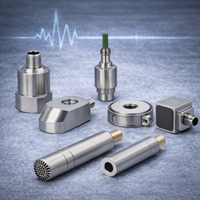


 Sound Quality Sound quality measurement combines psychoacoustics with acoustic engineering to quantify how humans perceive sound emitted by machines, vehicles, and devices. Rather than stopping at sound pressure level (SPL), this method focuses on perceptual characteristics, supporting design optimization and increased product value.
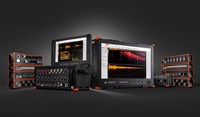
The system supports both real-time and post-processing workflows. Key psychoacoustic metrics such as Loudness (ISO 532-1 and ISO 532-2), equal-loudness contours (ISO 226), and other characteristic parameters are computed synchronously from measurement data. This enables objective evaluation of perceived loudness, sharpness, tonality, and overall pleasantness. Applications include automotive NVH, consumer electronics, and household appliances.
With the ability to integrate multiple synchronized data sources, sound quality measurement becomes an important tool that converts subjective user perception into engineering data that can be analyzed and optimized.