

|
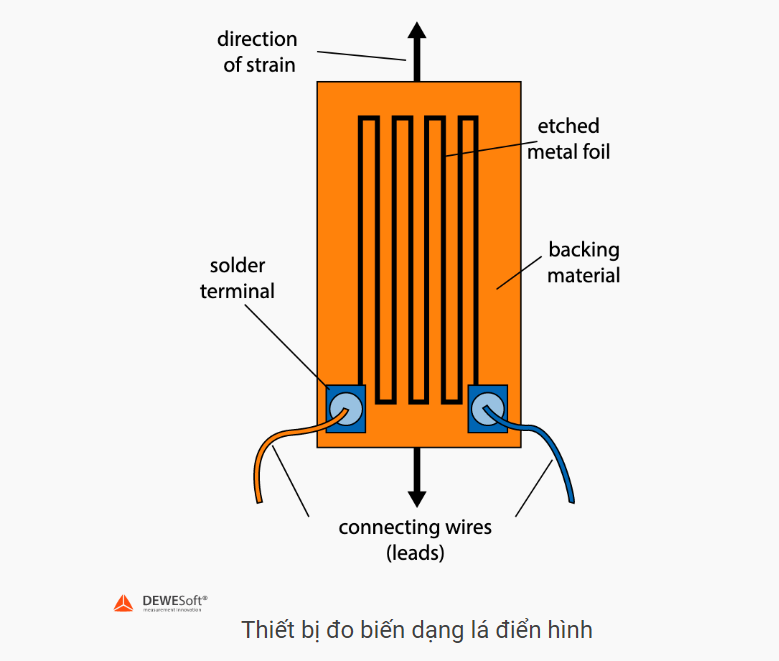
Strain gage, also spelled strain gauge, is a sensor used to measure mechanical deformation. Centuries ago, Lord Kelvin discovered that the electrical resistance of a conductor changes when it is stretched or compressed. Based on this principle, the modern strain gage was developed as a very thin conductive element, typically arranged in a zigzag pattern and bonded to a flexible backing. When the strain gage is attached directly to the surface of a test object, any deformation of that object causes a proportional change in the sensor’s electrical resistance. This allows engineers to quantify strain, stress, or load acting on the structure. Since each strain gage is normally sensitive in a specific direction, multiple sensors are often installed in different orientations to capture the full strain behavior of the test article. |
|
How a Strain Gage WorksThe output signal of a strain gage is extremely small, so it must first pass through a dedicated signal conditioner before measurement. The signal conditioning unit balances the sensor before each test, amplifies the low-level output voltage, and prepares the signal for digitization. After conditioning, the signal is sent to a DAQ system for digitizing, display, and storage. Data acquisition systems designed for strain measurement often start with 8 channels and can scale up to hundreds of channels in large test applications, where many measurement points must be monitored simultaneously across a structure or system. |
|
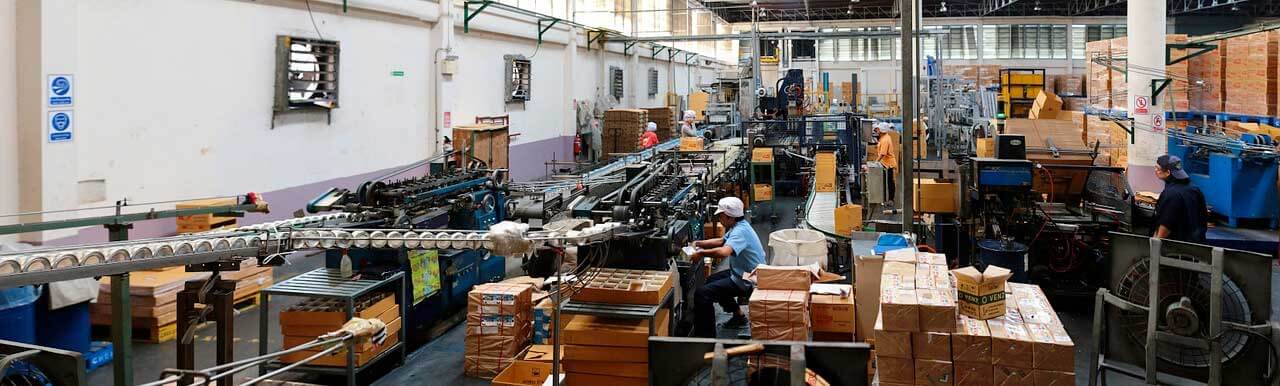
Strain Gage Applications in IndustryBecause of their ability to measure stress, load, force, torque, and deformation with high sensitivity, strain gages are widely used across many industries. From weighing systems and rotating machinery tests to wind turbine validation and critical structure assessment, strain gages are one of the core technologies in modern test and measurement systems. |
|
|
Weighing Systems
Testing of Rotating Parts
Wind Turbine Testing
Testing of Critical Components
Plant System Testing
|
|
Applications in AerospaceAircraft must be designed and tested under strict conditions to ensure safety during development, certification, and operation. In addition to engines, many other critical components must perform reliably over time, including control surfaces, actuators, and the entire load-bearing structure of the aircraft. Strain gages are used to measure stress and deformation on important structural elements, including:
|
|
Applications in Automotive Testing
|
All vehicle types, including passenger cars, trucks, buses, and motorcycles, undergo extensive testing during development. In these tests, strain gages help engineers accurately evaluate structural loads and durability under real operating conditions.
|
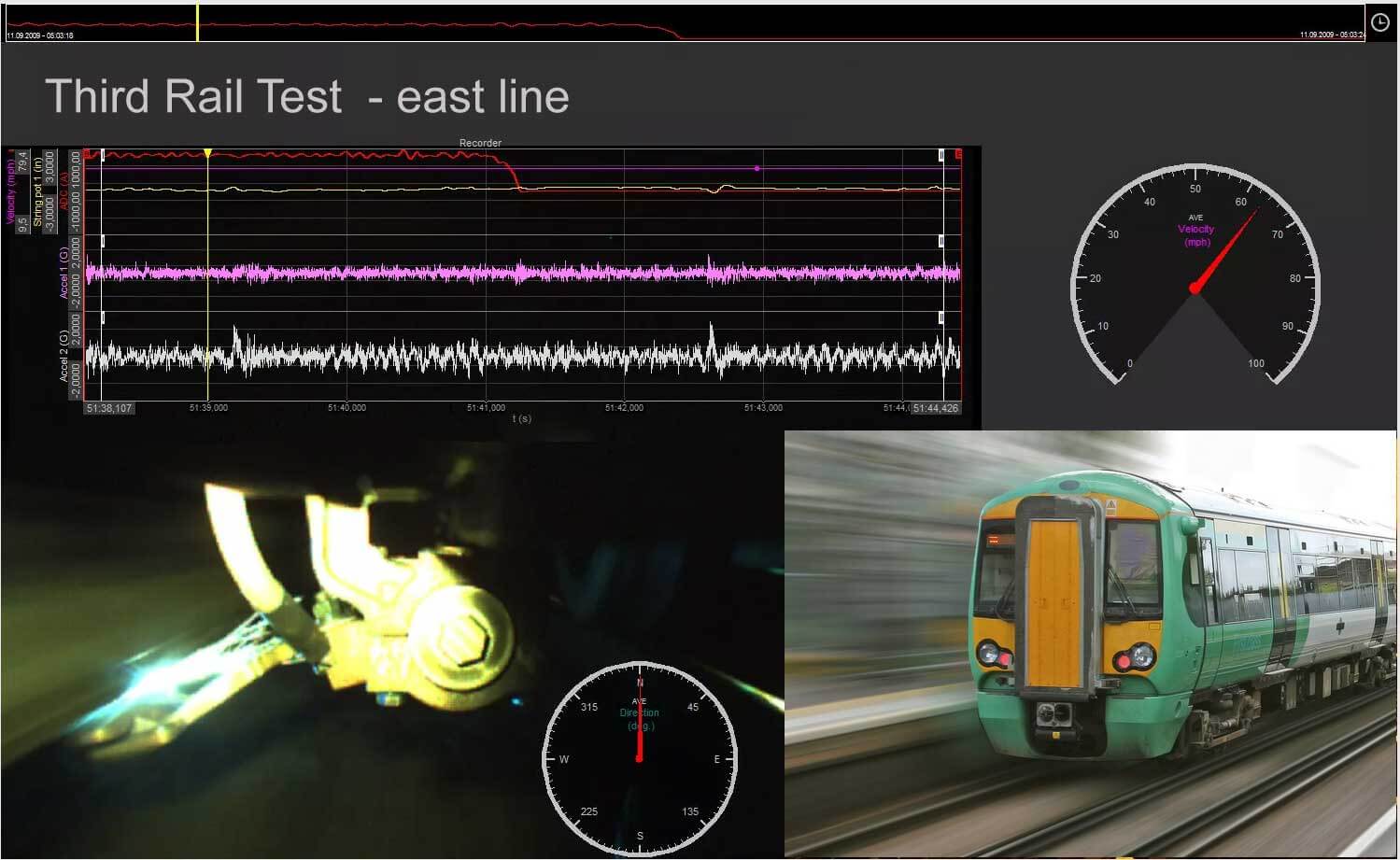
Applications in RailwaysRail MonitoringNot only rolling stock but also the rails themselves must be carefully monitored, because they are continuously exposed to high loads when heavy trains pass at speed. In addition to dynamic loads, local geological conditions and environmental changes can also affect the condition of the track. The consequences of a passenger train hitting a damaged or misaligned rail section can be severe. Railway tracks are typically built in sections with expansion joints to accommodate temperature changes. Temperature sensors and strain gages are often installed at these locations and connected to warning systems to detect abnormal conditions early and improve operational safety. |
|
Strain Gage Applications in Marine SystemsFrom small boats to large ships, all marine vessels require testing to assess structural integrity and operational safety. In marine environments, structures are exposed to large mechanical loads, wave impact, and in some cases extreme pressure. Strain gages are used to measure stress and strain on hulls, ship structures, and propulsion systems. For submarines, monitoring hull stress is especially important because pressure increases dramatically with operating depth.
|
|
Applications in ConstructionMany civil engineering structures are designed for service lives of decades or even more than 100 years, so structural monitoring throughout their lifetime is essential. Today, strain gages and related sensors are often integrated into structures from the very beginning for long-term monitoring. Strain gages can be bonded to the surface of walls and concrete foundations or embedded directly into the structure. In that case, the signal can be routed outward through dedicated wiring and connected to an external DAQ system for real-time monitoring. Strain, stress, load, and force measurements are commonly performed on major load-bearing structures such as:
|
Applications in Medical TechnologyStrain gages also have many important applications in healthcare and medical technology because they can measure force and load precisely in compact form factors.
|
SummaryStrain gages are one of the core measurement technologies in test and measurement. From measuring tiny deformations on electronic circuit boards to monitoring loads on bridges, aircraft structures, drive shafts, and concrete elements, strain gages provide highly accurate insight into stress and strain behavior. When combined with the right signal conditioning hardware and a modern DAQ system, strain gages become a powerful solution for research, product development, durability testing, and structural monitoring across a wide range of industries. |
|